
How to Start Working Out Again (Without Burning Yourself Out)
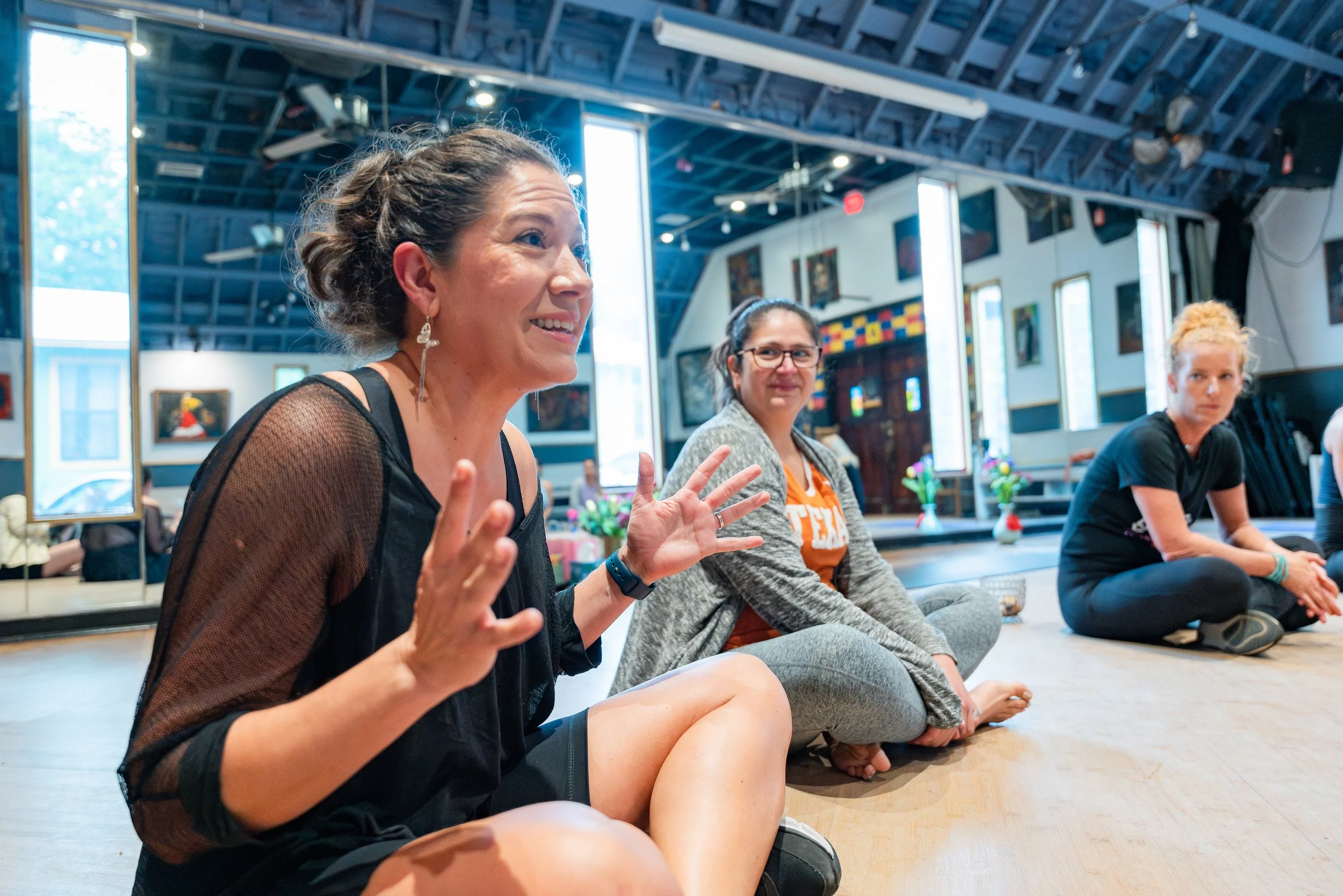
If you're wondering how to start working out again after taking a break, you're not alone. Life gets busy. Between work, family, errands, and everything else on your plate, exercise can easily fall off your list.
The good news? You don't have to jump back into intense workouts or completely overhaul your schedule to get moving again. You can start small, find activities you enjoy, and gradually build your way back into a routine that feels good.
The goal isn't to make up for the time you missed. It's to find a way to move your body that fits into the life you're living now.
Whether you've been away from exercise for a few weeks or several months, getting back into fitness doesn't have to feel overwhelming.
Let Go of the All-or-Nothing Mindset
One of the biggest mistakes people make when getting back into exercise is trying to pick up exactly where they left off.
Maybe you used to work out five days a week, run several miles, or take challenging fitness classes. That doesn't mean your first week back needs to look the same.
Starting too aggressively can leave you exhausted, overly sore, or discouraged—and that can make it even harder to stick with your routine.
Instead, give yourself permission to start where you are.
Two or three workouts a week can be a great place to begin. A 20-minute workout, a walk around the neighborhood, or even a short stretching session counts. The goal at first isn't to do everything. It's to get comfortable moving again and create a routine you can actually maintain.
Consistency matters more than perfection. Give yourself time to build momentum, and remember that a slower restart is still a restart.
Start Smaller Than You Think
When you're getting back into a workout routine, it can be tempting to go all in. You might feel like you need to make up for the workouts you missed by exercising longer or pushing yourself harder. But that approach can leave you sore, tired, and ready to quit before you've even had a chance to build momentum.
Instead, start with workouts that feel manageable for where you are right now. You don't need to prove anything to yourself on day one.
Try starting with:
20–30 minute workouts that fit easily into your schedule
Beginner-friendly exercises that help you ease back into movement
Walking when you want something simple and low-pressure
Light strength training to gradually rebuild strength
Stretching or mobility work to help your body loosen up and get moving again
Pay attention to how you feel during and after your workouts. If you're finishing every session completely drained, that's a sign you may be doing too much too soon. It's okay to leave a little energy in the tank.
As your workouts start to feel easier, you can gradually add more time, resistance, or intensity. The goal isn't to see how hard you can push yourself. It's to create a routine you can keep coming back to.
Small wins build confidence. And when you start proving to yourself that you can make time for movement—even on busy weeks—staying consistent becomes a whole lot easier.
Choose Workouts You Actually Enjoy
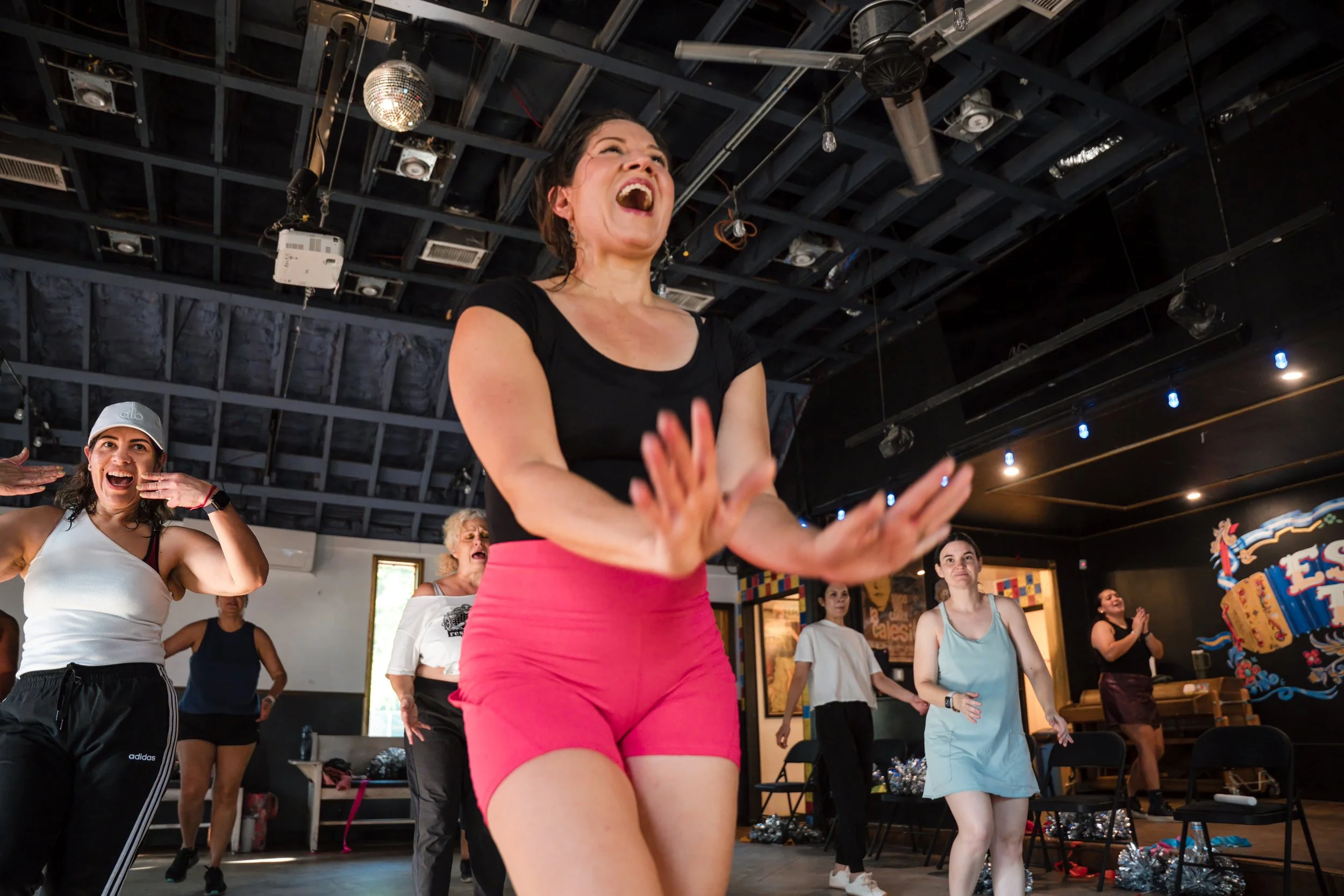
Getting back into exercise is a lot easier when you actually enjoy what you're doing. You don't have to force yourself to run if you hate running or spend an hour lifting weights if that's not your thing.
Think about the types of movement that make you feel good and fit your personality. Maybe you enjoy:
Strength training if you like feeling stronger and working toward measurable progress
Dance fitness if music makes movement more fun
Walking if you want something simple that you can do almost anywhere
Yoga if you enjoy slower, more mindful movement
Interval training if you prefer shorter workouts with a little more variety
There's no single workout that's right for everyone. The best workout is one you'll actually want to come back to.
If you enjoy having some structure and guidance, mama wears pants offers options that can help you ease back into a routine. Bold Body Interval Training (BBIT) combines full-body movement with exercises that can be modified to meet different fitness levels. Prefer to turn up the music? Bold Beats brings dance and cardio together for a workout that feels more like fun than a chore.
When you find movement that fits your interests, energy, and lifestyle, exercise becomes something you make time for—not another item you have to check off your list.
Schedule Movement Like an Appointment
One of the easiest ways to make exercise more consistent is to stop treating it like something you'll do if you have time. Because let's be honest—when you're balancing work, family, errands, and everything else on your plate, there will always be something else that needs your attention.
Instead, choose specific days and times for movement and put them on your calendar. Treat your workout the same way you would an important appointment or commitment.
Maybe you take a 30-minute walk after dropping the kids off at school, join a class on Tuesday and Thursday evenings, or set aside a few minutes for strength training before your day gets busy. The best time to work out is the time that fits realistically into your schedule.
You also don't have to wait until you feel motivated. Some days you'll be excited to work out, and other days you'll want to skip it. Having a plan makes it easier to follow through even when motivation isn't there.
And if you miss a workout? Don't turn one missed day into a missed week. Get back to your routine at the next opportunity and keep going.
Consistency creates momentum, and over time, those scheduled workouts can become a natural part of your week rather than something you have to keep convincing yourself to do.
Find a Supportive Community
New for our 2026-’27 programming year, we are excited to offer member-directed membership for women who are ready to show up for themselves and others! As a member-supported community created by and for bold, busy women committed to personal growth - your annual membership keep the BOLD MAMA ENERGY flowing, allowing us to connect and support more women whether they be in Austin, El Paso, or elsewhere!
Women-Owned Businesses - consider an annual sponsorship for exclusive benefits and promotion.
As a member-supported community, we are committed to offering affordable and accessible opportunities for women to connect, learn and grow together.
Getting back into a fitness routine can be easier when you don't feel like you're doing it alone.
A supportive community can give you encouragement on the days when motivation is low, help you stay accountable, and give you people to celebrate your progress with. It can also be reassuring to know that other women are figuring out how to make movement fit into their busy lives, too.
That's one of the benefits of virtual fitness. You can join a class from home while still having the connection and energy of working out with other people. There's no commute, no need to spend extra time getting to and from a gym, and you can make movement part of your routine wherever you are.
Whether you're in El Paso, Dallas, Houston, Austin, or somewhere else in Texas, having access to a virtual community can make it easier to keep showing up.
Celebrate Every Small Win
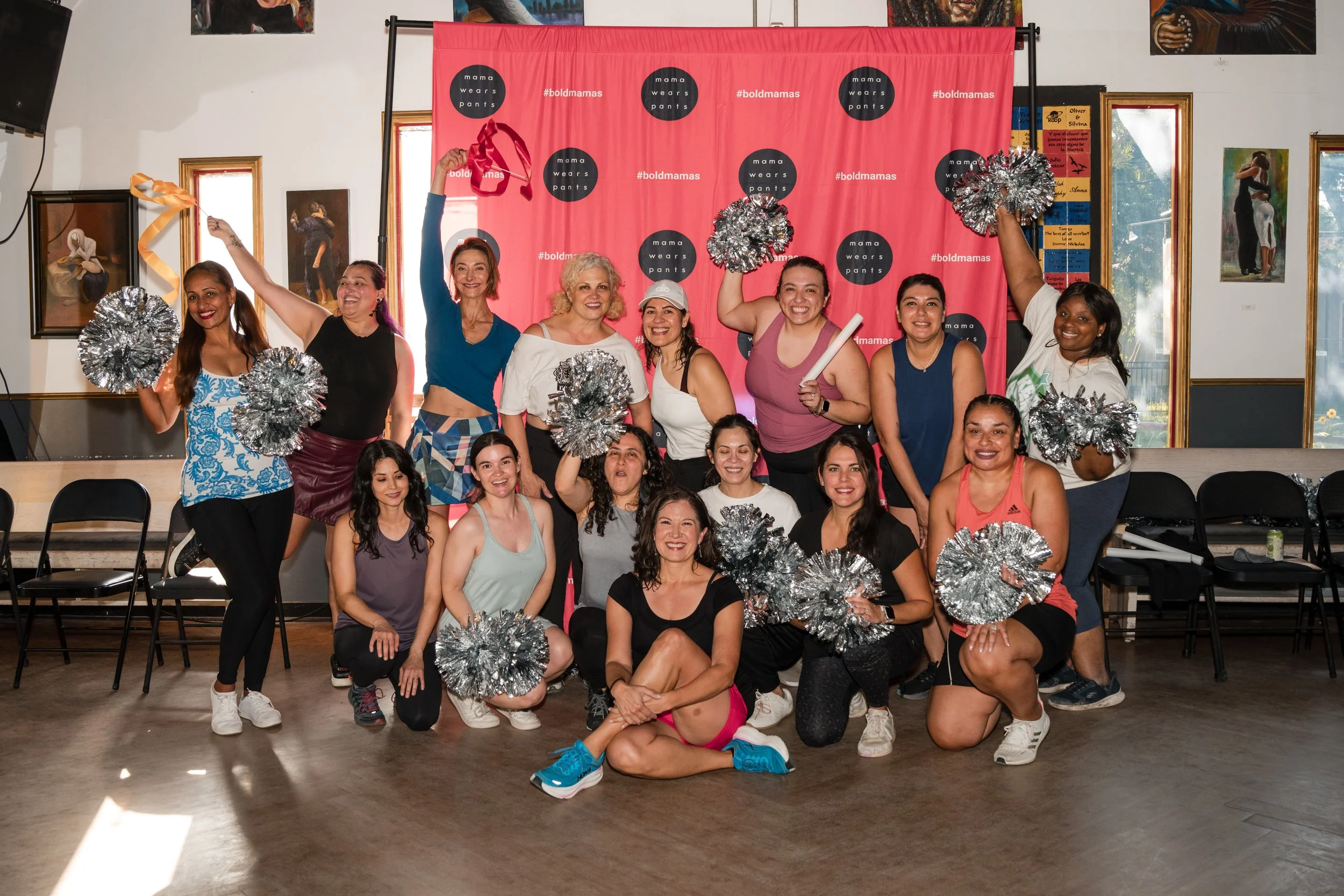
When you're starting over, it's easy to focus on how far you feel you have to go. Instead, pay attention to what you're doing right now.
You made time for a workout? That counts.
You went for a walk instead of sitting on the couch? That counts.
You spent a few minutes stretching before bed? That counts, too.
Getting back into exercise isn't about having a perfect week or crushing every workout. It's about creating small moments of movement that you can repeat.
Rather than measuring success by how hard you worked, measure it by the fact that you showed up for yourself.
Those small victories may not feel significant in the moment, but they add up. Over time, they can help you build confidence, create lasting habits, and make movement feel like a normal part of your life again.
Ready to Start Moving Again?
BACK TO SCHOOL SPECIAL - Get four classes for only $19.99! This offer is for new participants; valid for classes offered August - September.
No matter where you are - you’re invited to join Bold Mama Fitness for our women-only virtual classes focused on building coordination, balance, endurance and strength through moderate-intensity interval training (MIIT). This class is low-cost, high value for women of all fitness levels, but best suited for those wanting to (re)establish a regular workout routine without needing to leave your home. You’ll also connect with bold women and be invited to join our wellness community, Bold Mamas Co.
View all scheduled classes HERE and reserve your spot for any virtual classes HERE.
Additional Details:
Bookmark our calendar/ scheduling page.
Reserve your class at least 24 hours in advance.
Participants should bring water and a face towel. A mat is recommended.
You don't need to wait for the perfect time, a burst of motivation, or a completely free schedule to start moving again. You can start with one workout, one walk, or one small commitment to yourself.
At mama wears pants, we believe fitness should feel encouraging, flexible, and fun—not like another source of pressure. Our live virtual classes are designed for busy women who want to get stronger, stay active, and feel good while making movement work with their lives.
If you're looking for a supportive place to start, Bold Body Interval Training (BBIT) offers full-body workouts that can be adapted to different fitness levels, allowing you to work at your own pace as you build strength and endurance.
Ready to take that first step? Join a virtual class and start moving again—one workout at a time.
Be well. Stay bold!
Frequently Asked Questions
-
You don't need to follow a restrictive diet to restart your fitness journey. Focus on eating balanced meals with plenty of protein, fruits, vegetables, whole grains, and staying hydrated. Small, sustainable changes are often more effective than drastic diets.
-
It's never too late to become more active. Whether you're in your 30s, 40s, 50s, or beyond, regular exercise can improve strength, balance, energy, and overall health. The key is to choose workouts that match your current fitness level and progress at a comfortable pace.
-
A light snack with carbohydrates and protein, such as fruit with peanut butter or Greek yogurt, can provide energy before a workout. After exercising, aim for a balanced meal or snack that includes protein to support muscle recovery.
-
For most beginners, two to four workouts per week is a great starting point. Consistency is more important than doing intense workouts every day.
-
Everyone starts somewhere. Begin with low-impact or beginner-friendly workouts, listen to your body, and focus on making movement a regular habit rather than trying to do too much too soon.
-
No. You can build strength, improve your fitness, and stay active without ever stepping into a gym. Bodyweight exercises, resistance bands, and virtual fitness classes are all effective ways to work out from home. The most important factor isn't where you exercise, it's finding a routine you enjoy and can stick with consistently.
-
Set realistic goals, celebrate small wins, schedule your workouts like appointments, and find a supportive community. Having a consistent routine and people to encourage you can make all the difference.
-
The best time to work out is the time you can be consistent. Whether you prefer mornings, lunch breaks, or evenings, choosing a time that fits your schedule makes it easier to build a lasting habit. Regular exercise at any time of day is more beneficial than waiting for the "perfect" time that never comes.