
If you've ever searched “how to stay motivated to exercise,” you're in good company. Maybe you started the year strong. You bought new workout clothes, found a workout you loved, and promised yourself, “This time, I'm really going to stick with it.” Then life happened. Work got busy, the kids needed you, your schedule changed, and your to-do list kept growing. Before you knew it, your workouts had slipped to the bottom of the list.
Let's be real: you're not going to feel motivated to work out every day, and that's okay. You don't need to rely on motivation to stay active. Motivation can help you get started, but it isn't always enough to keep you going. Research in exercise psychology has found that wanting to be active doesn't always translate into actually doing it. A 2023 systematic review and meta-analysis, for example, found a significant gap between people's intentions to be physically active and their actual behavior.
So, if motivation isn't the whole answer, what is? Building routines that fit your life, choosing movement you actually enjoy, making a specific plan, and having people who support you along the way can make staying active feel much more manageable. Because being consistent with movement isn't about feeling motivated every single day; it's about creating habits and support systems that help you keep moving, even when life gets busy.
Stop Chasing Motivation
Motivation feels great when it's there. It's what gets us excited to try a new workout, buy a new pair of workout shoes, or sign up for a fitness class. The problem is that motivation isn't always predictable, especially when life gets busy. Instead of waiting until you feel like exercising, it can help to think about why movement matters to you. Maybe you want more energy, to feel stronger, manage stress, or simply make more time for yourself. Those reasons matter because the type of motivation behind a behavior can influence how likely we are to stick with it. Research on exercise and Self-Determination Theory has found that more self-driven forms of motivation are associated with physical activity and exercise adherence. In other words, there's a difference between “I have to work out because I feel guilty if I don't” and “I want to move because I feel better when I do.” The second reason can make movement feel more meaningful and sustainable over time.
So instead of asking yourself, “Do I feel motivated today?” try asking, “What's one thing I can do today to take care of myself?” Some days, that might mean completing a full workout. Other days, it might be a 20-minute walk, a quick strength session, or a few minutes of stretching. The goal isn't to make every day look the same or to force yourself through a workout when you genuinely need rest. It's to recognize that taking care of yourself can include different kinds and amounts of movement depending on what you need and what your day allows.
Make It Easier to Show Up
Have you ever noticed how easy it is to talk yourself out of a workout?
“I'll do it after dinner.”
“I'm too tired.”
“I'll start Monday.”
We've all been there. One way to make exercise easier to maintain is to make your plan more specific. Instead of telling yourself, “I need to work out more,” try something more concrete, such as “I'll do a 30-minute workout at 6 p.m. on Tuesday and Thursday.” Now you have a time, a place, and an action. Psychologists call this an implementation intention, which essentially means deciding in advance when and where you'll perform a behavior. A systematic review and meta-analysis of randomized clinical trials found that implementation-intention strategies can help increase physical activity, although their effectiveness can vary depending on factors such as self-efficacy and existing intentions.
You can also make showing up easier by removing some of the small barriers that tend to get in the way. Lay out your workout clothes the night before, schedule your workout on your calendar, keep your shoes or equipment somewhere visible, and choose workouts that realistically fit into your schedule. It can also help to have a shorter backup workout for especially busy days, so you don't feel like your only choices are completing your full routine or doing nothing at all. The goal isn't to create a perfect routine that works every single day. It's to make the next step easier.
Progress Doesn't Have to Be Perfect
Let's retire the idea that every workout has to be your best workout. Some days you'll feel strong, some days you'll move a little slower, and some days you may only have 20 minutes. That doesn't mean the effort was wasted. Physical activity doesn't have to look exactly the same every day. The World Health Organization recognizes movement across many parts of daily life, including planned exercise, walking and other forms of transportation, work, household activities, recreation, and other movement.
That means you don't have to discount the short walk because you didn't have time for a full workout, skip the stretch because you couldn't make your usual class, or tell yourself that 20 minutes “doesn't count.” It counts. Being active doesn't require you to follow the same routine, intensity, or duration every day, and you don't have to do everything perfectly to benefit from moving more. What matters is finding ways to keep movement as part of your life, even when your schedule or energy changes. Consistency isn't about never missing. It's about continuing to come back.
Your People Matter More Than You Think
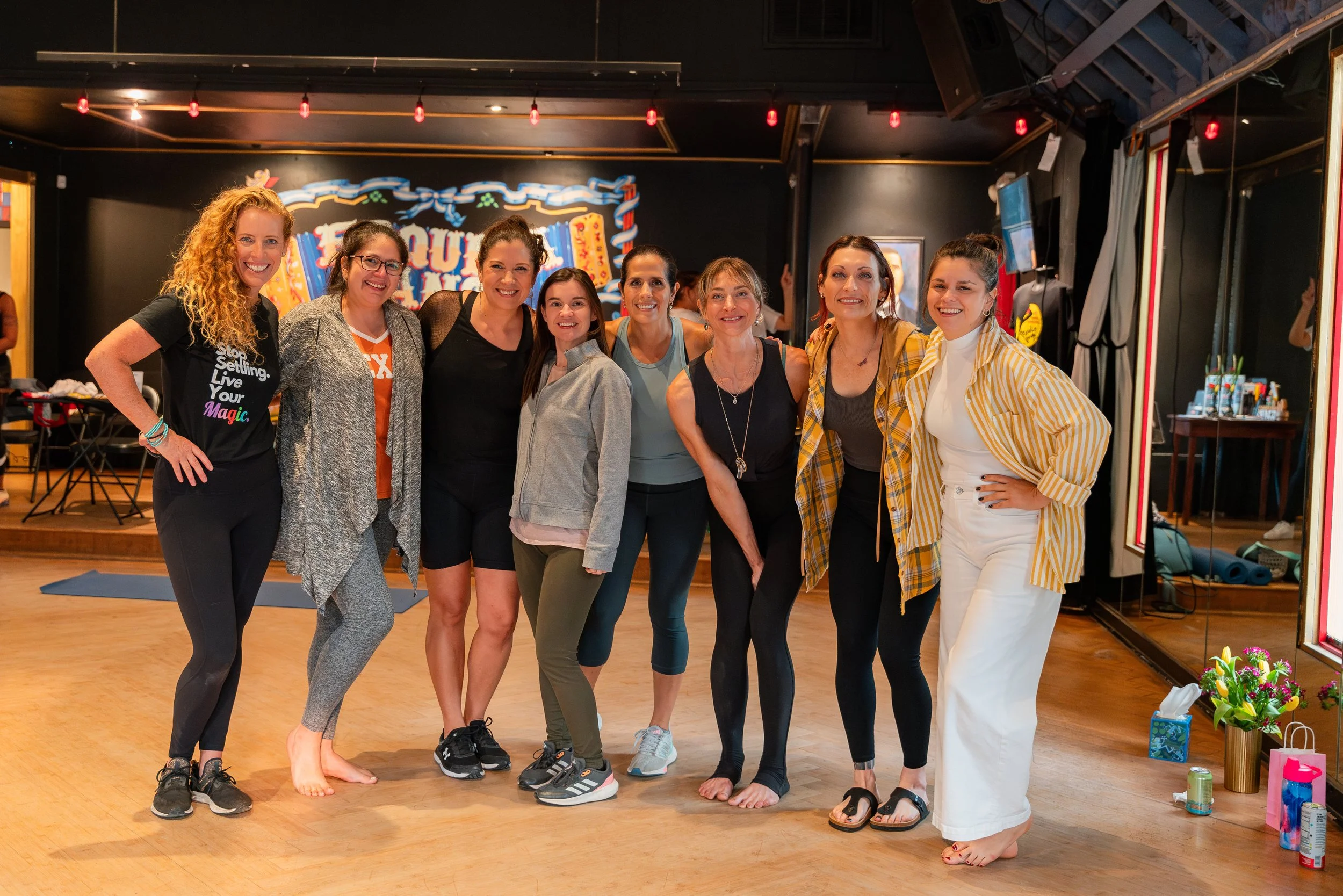
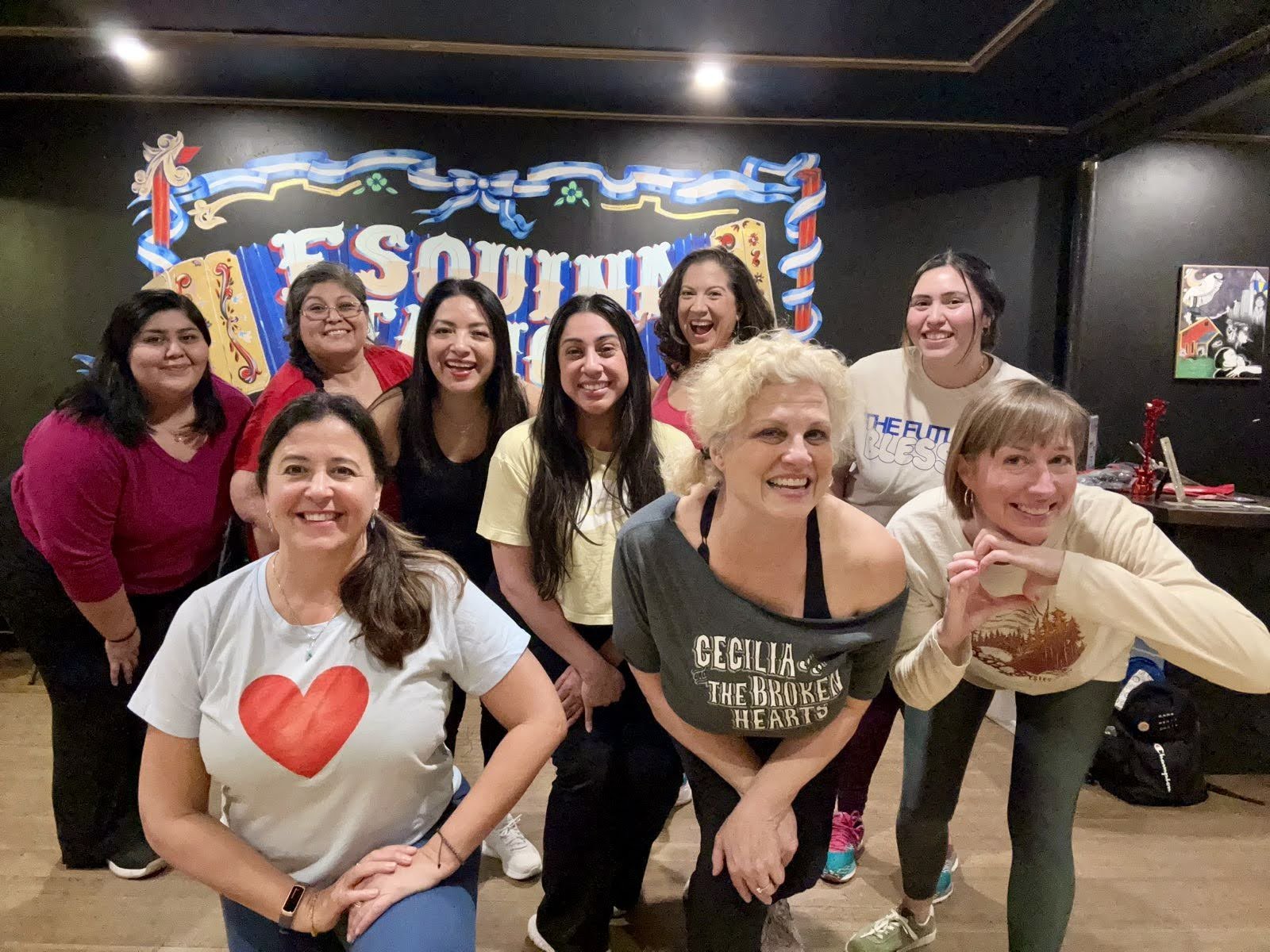
Sometimes staying active is easier when you aren't doing it alone. Having people who encourage you, celebrate your progress, and help keep you accountable can make a difference, and there's psychology behind that, too. Research based on Self-Determination Theory suggests that the social environment surrounding exercise can influence people's psychological needs and the quality of their motivation. A systematic review of 35 studies found evidence supporting the importance of autonomy-supportive behaviors from exercise professionals, as well as more self-determined forms of motivation, in exercise persistence and adherence. Other research has also found a positive association between social support for physical activity and being physically active.
Support doesn't have to mean having someone physically beside you during every workout. It could be a friend who checks in, a virtual class where people know your name, or a community that makes you feel like you're part of something bigger than your workout. For busy women, that kind of connection can be especially helpful because virtual fitness offers a way to stay active and connected without adding a commute to an already full schedule. Whether you're joining from El Paso, Dallas, Houston, Austin, or another Texas community, having a place where you feel welcomed and supported can make it easier to keep showing up. Some days you'll participate because you're excited to move, while other days you'll show up because you know your community is expecting to see you. Both are good reasons to keep moving.
Give Yourself Permission to Begin Again
Missed a workout?
Missed a week?
Maybe even missed a month?
Take a breath. You haven't failed; you're simply beginning again. Life doesn't always follow the plan. Work gets busy, family needs your attention, travel happens, and sometimes you simply need a break. What matters isn't that you never step away from your routine, but what you choose to do when you're ready to return.
You don't have to wait for Monday, the beginning of a new month, or some perfect moment to start again. You also don't need to punish yourself for the time you missed. Start where you are. Take the walk, do the workout, stretch for a few minutes, or choose another form of movement that feels manageable today. Then make another plan for the next time. Research on physical activity behavior supports the value of planning and action strategies rather than relying on intention alone, which is another reason having a simple, realistic plan can help you get back into a routine. You don't have to be perfect to make progress. You just have to keep coming back.
Frequently Asked Questions
-
Instead of depending entirely on motivation, create a routine that fits your lifestyle. Choose realistic goals, make a specific plan, remove obstacles, and find forms of movement you actually enjoy. Research suggests that intention alone doesn't always translate into physical activity, which is why planning and supportive routines can be helpful.
-
The best time to work out is the time that fits your schedule and that you can realistically maintain. For some people, that's early in the morning. For others, it may be during lunch or after work.
Choose a time that works with your actual life rather than trying to follow someone else's routine.
-
No. You can stay active in many different ways, including walking, dancing, bodyweight exercises, resistance training, yoga, or virtual fitness classes.
Physical activity can happen at home, outdoors, at a gym, or as part of everyday activities. WHO considers movement in many different settings and forms when discussing physical activity.
-
You don't need to have a perfect diet before you begin exercising.
Focus on building sustainable habits that support your overall health, including balanced meals, adequate hydration, and regular movement. If you have specific nutrition needs or health concerns, consider speaking with a qualified healthcare professional or registered dietitian.
-
It's never too late to become more physically active.
Adults of different ages and abilities can benefit from regular physical activity, and the type and intensity of movement can be adjusted to match your current abilities and goals. WHO recommends that adults be regularly active and notes that inactive people can start with smaller amounts and gradually increase their activity.
-
The best exercise is one that is appropriate for your current fitness level and that you enjoy enough to keep doing.
If you're just getting started, try activities such as walking, bodyweight strength exercises, light resistance training, dancing, low-impact workouts, or yoga.
You don't have to do everything at once.
Start with something manageable, build gradually, and find movement that fits your lifestyle.
You Don't Have to Do This Alone
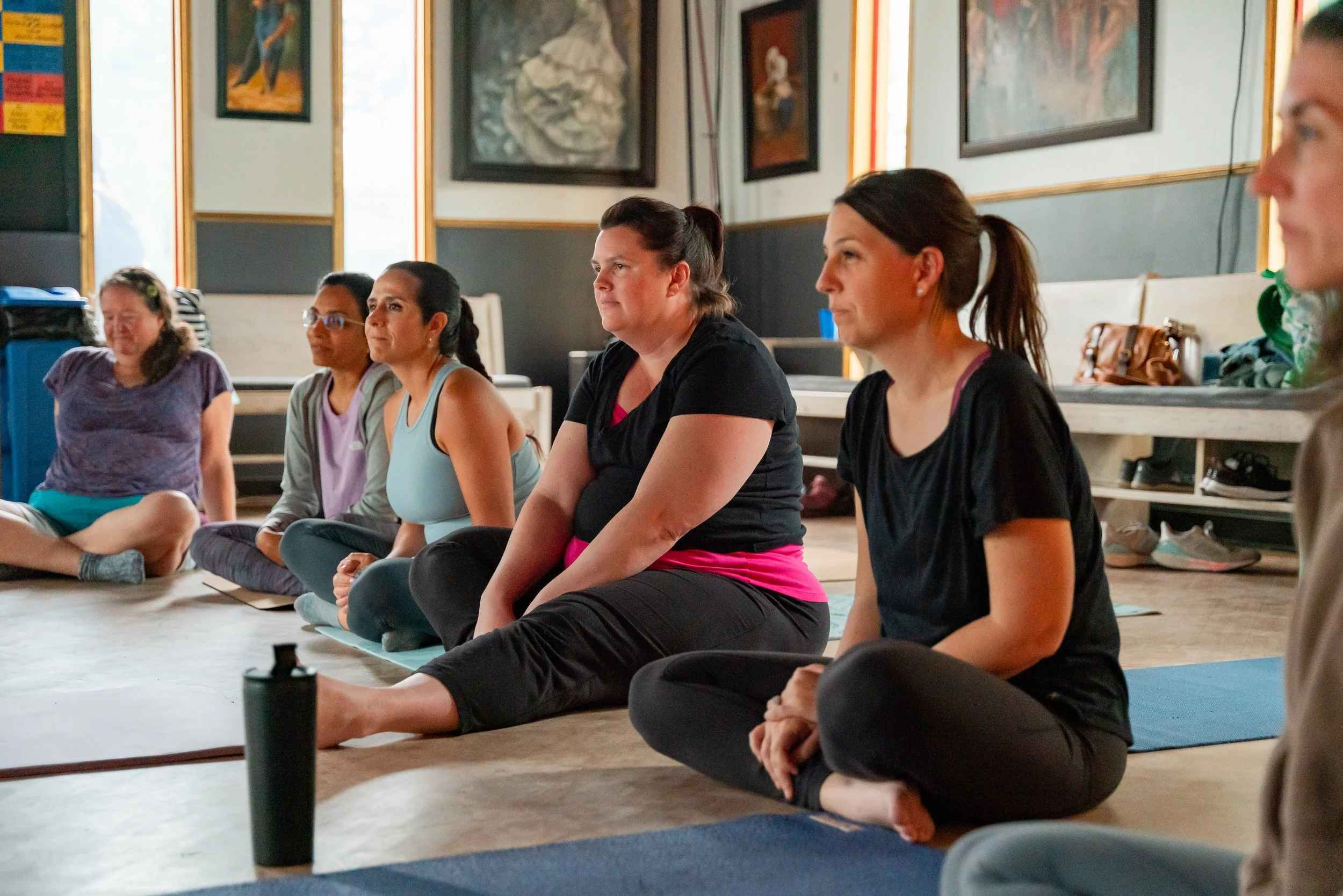
Staying active can be easier when you have people cheering you on, especially on the days when motivation is nowhere to be found. That's what you'll find at mama wears pants. Our Bold Mamas Fitness (BMF) classes help busy women make movement a regular part of their lives through fun, supportive virtual workouts designed to help you build strength, improve endurance, and stay active from wherever you are.
And because healthy habits can be easier to maintain when you feel connected to others, you'll also become part of Bold Mamas Co., a community of women who encourage one another, celebrate progress, and remind each other that perfection isn't the goal. Whether you're just getting started, finding your way back into a routine, or simply looking for a more enjoyable way to stay active, you don't have to figure it all out alone.
Ready to take the next step? Join a Bold Mamas Fitness class and experience the encouragement of Bold Mamas Co.
Be well. Stay bold!
Source
Ng, J. Y. Y., Ntoumanis, N., Thøgersen-Ntoumani, C., Stott, K., & Hindle, L. (2012). Self-Determination Theory Applied to Health Contexts: A Meta-Analysis. Perspectives on Psychological Science.